Sep 12 • Australian Trauma Education Centre

Trauma-Sensitive Chair Yoga for Berwick Retirement Villages and Aged Care

Key Takeaways

  • ATEC delivers seated, choice-based Trauma-Sensitive Chair Yoga on-site at Woodlands Park, Berwick, with no hands-on adjustments

  • The class is built for mixed-ability residents who will not use mats or be touched, and it fits into existing lifestyle calendars

  • Lifestyle teams can book a free 20-minute consult to confirm room setup, group fit, and scheduling

A movement class residents will actually stay for

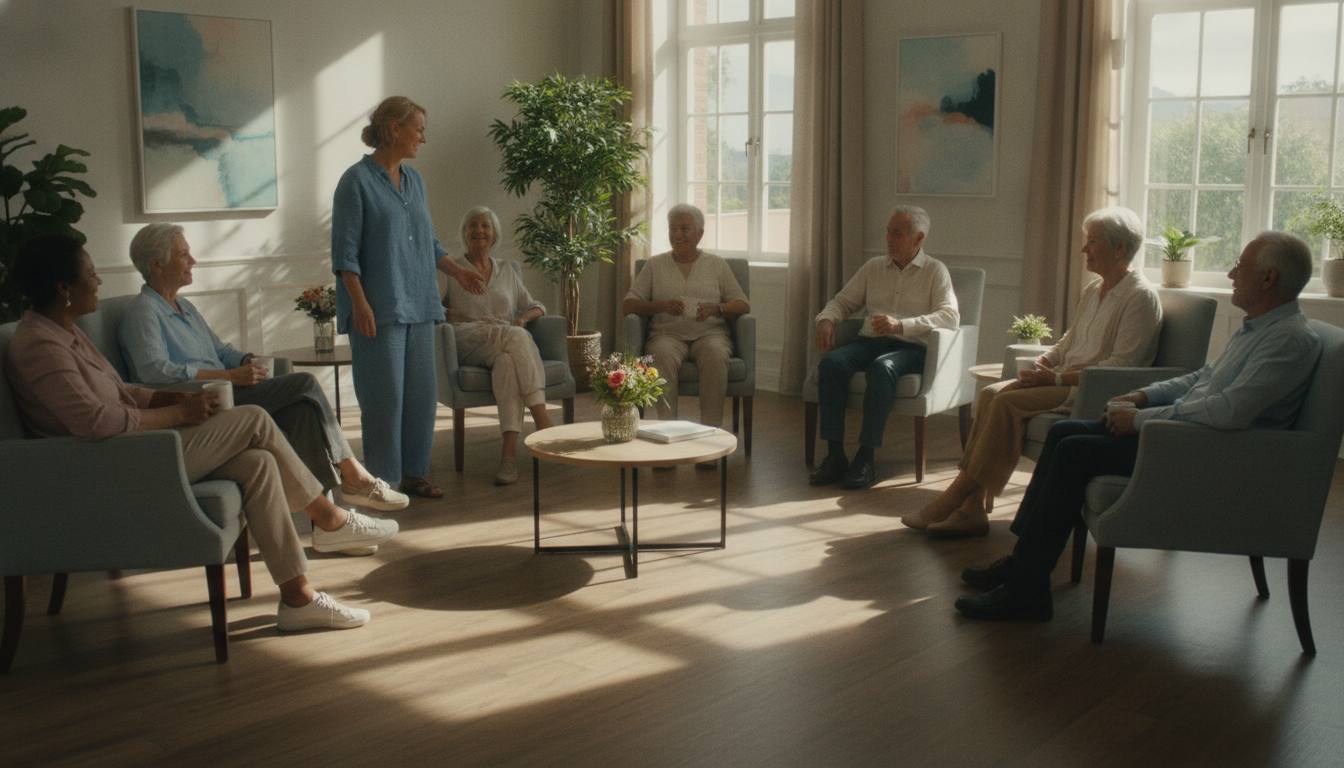
Picture the activity room: mats come out, and half the group quietly opts out. Some residents do not want to get down to the floor, some cannot, and some simply do not feel safe doing it in a shared space.

A chair-based movement class keeps more people included because the setup starts where most residents already are. In many facilities, a noticeable share of residents avoid floor-based exercise, often in the 30–50% range, so seated options tend to lift participation without asking people to push through discomfort.

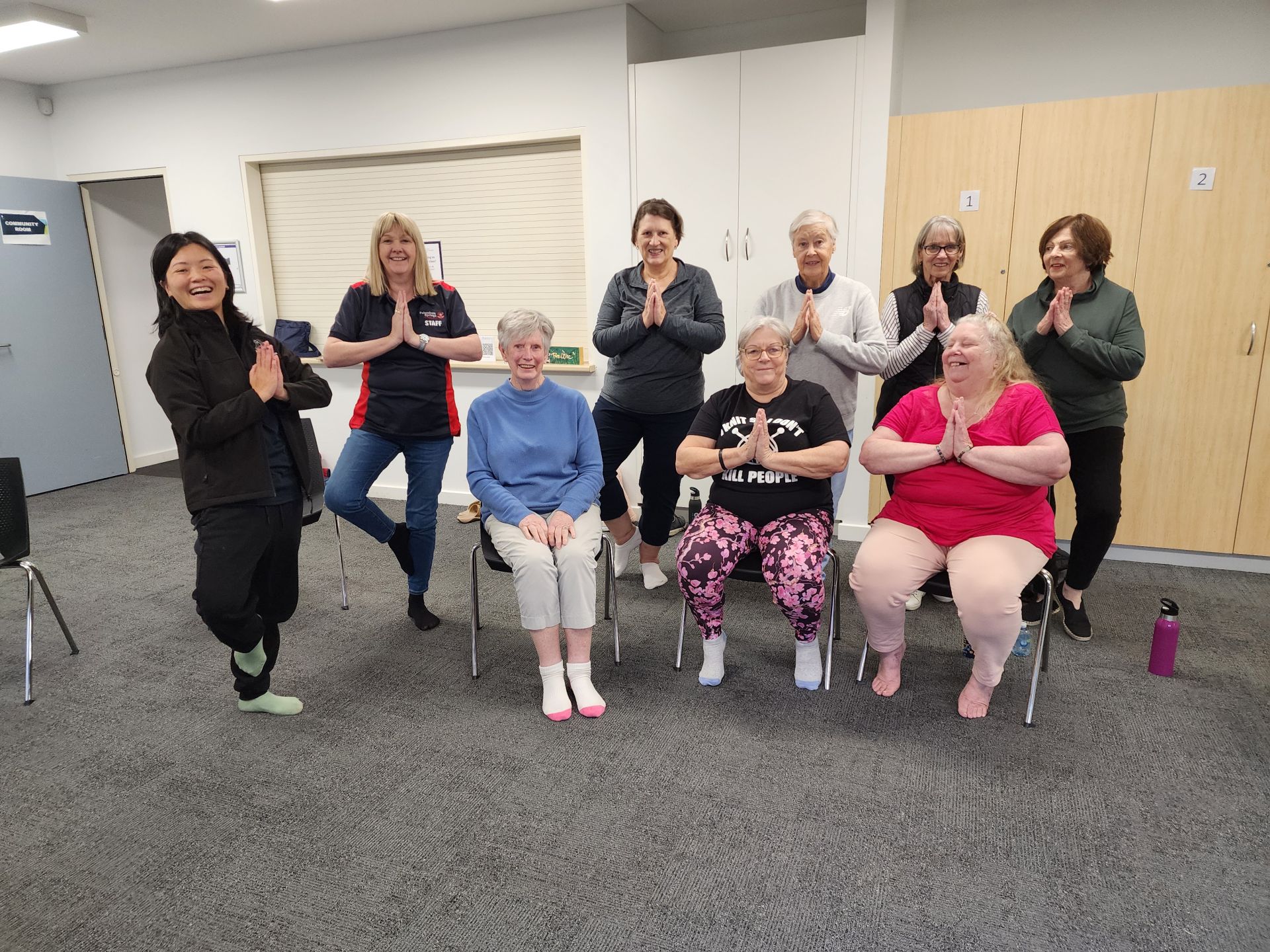
Also, chair yoga is a gentle movement class built around breath, joint-friendly mobility, simple strength, and balance practice, all using the chair for support. It is designed so residents can join in fully, take a partial version, or pause and rejoin, without the class moving on without them.

Next, at Woodlands Park the class runs as a consistent on-site offering with a clear start, a predictable flow, and simple cues that work in a mixed-ability group. If you do one thing to improve attendance, keep the format the same week to week so residents know what to expect.

But the class works best when chairs are arranged with space at the sides for walking aids and staff can see everyone’s posture. It fails when the room is crowded or when the plan assumes everyone can follow fast transitions, so the fix is slower pacing and more repeatable options.

So if you want an on-site block, the next step is to choose a regular time slot, confirm room and chair numbers, and share any access needs with the instructor ahead of the first session. By the end of this post, you will know what the program is, how it runs at Woodlands Park, and how to book an on-site block.

Why chair yoga works in aged care and retirement living

Next, it helps because it starts where residents are, not where a standard fitness class expects them to be. A chair-based format can reduce falls risk for people who feel unsteady standing, while still allowing gentle strength and mobility work in a supported position.

It also meets common health barriers without asking residents to push through them. Chair yoga can be paced for pain, breathlessness, a recent hospital stay, cognitive change, and low tolerance for equipment or floor work, because most options can be offered seated with clear, simple cues and frequent rest.

Also, the setup is easy for retirement living and aged care teams to run without adding extra load. You typically need one sturdy chair per resident, about 45 minutes, and no mats or gear to carry, clean, or store.

If you do one thing, keep the setup consistent so residents know what to expect each week:

  • Same chair position each session, with clear space around legs and wheels

  • A simple 45-minute flow with planned pauses every few minutes

  • No floor transitions unless someone specifically chooses and is supported

  • An option to sit out and keep breathing with the group

What trauma-sensitive practice changes in a chair yoga class

Next, the biggest difference is that the class is built around choice, not compliance. That means no touch, no correcting, and no rushing, even when participants move more slowly than expected.

Language stays invitational so residents can decide what fits their bodies today. You will hear cues like “if you’d like,” “you can skip this,” or “you can stay exactly as you are,” and stillness is always a valid option.

In practice, trauma-sensitive teaching also changes how a facilitator handles common moments in aged care settings, like a resident freezing, tearing up, or wanting to leave early. The aim is to protect dignity and body autonomy by keeping attention neutral and private rather than calling someone out.

If you do one thing, do this: keep options visible at all times.

  • Offer two to three versions of each movement (for example, hands in lap, hands on thighs, or hands to heart)

  • Keep transitions slow and predictable (pause, explain, then move)

  • Avoid “fixing” posture; instead, cue comfort (for example, “find a shape that feels steady”)

  • Let residents opt out without questions (resting, watching, or stepping out for 2 minutes all count)

That said, this approach works best when the facilitator is trained to hold boundaries calmly and consistently. It can fail when the class feels like rehab or assessment, such as when cues become performance-based (“lift higher,” “straighten up”) or when participants are singled out for praise or correction.

Led by a licensed Trauma Center Trauma-Sensitive Yoga facilitator, the focus stays on safety, consent, and agency, so residents can participate without feeling pressured to prove anything.

How the Woodlands Park on-site program is structured

Next, the on-site program starts with a short consult with lifestyle staff so the class fits the day-to-day reality of the home. That consult covers group size (for example 6 to 12 residents), the chair and room layout, the best time of day, and how to include mixed abilities without putting anyone on the spot.

If you do one thing, make the consult about constraints, not preferences. A class that works in a busy community room at 10:30am can fail at 3pm if fatigue, meals, or medication rounds change who can attend.

That said, the class then runs in a predictable weekly calendar slot so residents can build routine and staff can plan around it. Staff are welcome to stay and participate, but they do not need to demonstrate, lead, or correct anyone, which helps avoid pressure and keeps roles clear.

Clear boundaries matter: this program is designed to complement physiotherapy and nursing care, not replace clinical rehab. A common mistake is treating the class like a therapy session with goals that belong in a clinical plan; the fix is to keep the focus on comfort, choice, and steady participation week to week.

So why choose Trauma Sensitive Chair Yoga for your age care residents? 

Also, it helps to name what good practice looks like in one line: “Dignity is part of the method, not an add-on.” In chair yoga, dignity shows up in the pace, the options you offer, the permission to pause, and the way you respond when someone says no.


Next, it is worth asking a simple program question that often gets skipped: which residents are currently missing out because the format asks too much of their body or their boundaries. If a resident avoids group movement because getting down to the floor hurts, because touch feels unsafe, or because being watched makes them freeze, the chair can be the difference between opting out and taking part.


That said, the chair alone is not the point. What changes outcomes is how the class meets people where they are, week after week, with clear choices, steady language, and no pressure to perform.


  • If you do one thing, make consent and choice visible in every exercise

  • If you are short on time, keep fewer poses and give more options for each

  • Common mistake: pushing for range of motion, fix: aim for comfortable movement and calm breathing.


Find Out More Information

Created with